0 Tour From Vienna to Salzburg: The Complete 2026 Guide
- Travel Tips
- by Tara Malone
- 07-08-2026

You're in Vienna, you've seen the Ringstrasse, the palaces, the coffeehouses, and now the obvious question arrives. Do you leave one of Europe's great capitals for a day and go west to Salzburg?
In practice, most travelers already know they want to go. The actual hesitation is different. How should you do it? Fast train, organized coach, public bus logic, or a private car with a driver who turns the transfer into part of the experience?
That choice matters more than people expect. A tour from Vienna to Salzburg isn't just about getting from one city to another. It decides whether the day feels efficient, crowded, scenic, rushed, elegant, or surprisingly stressful. I see the same pattern with northern Italy all the time. Clients think they're choosing transport, but they are choosing the rhythm of the day.
For some travelers, speed is everything. For others, comfort, privacy, luggage handling, family logistics, and the freedom to stop in the right village at the right moment matter more than shaving time off a schedule. Salzburg rewards the second mindset.
Table of Contents
- Your Vienna to Salzburg Journey Begins
- Vienna to Salzburg Transport At a Glance
- The Train Journey Speed and Scenery
- Guided Bus Tours The All-Inclusive Option
- Private Transfers The Ultimate in Flexibility and Comfort
- Insider Itineraries and Hidden Stops for 2026
- Frequently Asked Questions
- Conclusion Choosing Your Perfect Vienna to Salzburg Tour
Your Vienna to Salzburg Journey Begins
A typical traveler starts with the romantic version of the plan. Morning in Vienna, Mozart in Salzburg, mountain views, dinner back in the capital. That part is easy.
The hard part starts when booking windows open and the options split in four directions. Train looks fast. Guided coach tour looks simple. Public bus thinking sounds budget-minded until you see how awkward it is on this route. Private car looks expensive until you compare what the day feels like once luggage, timing, pickups, and scenic stops enter the picture.
That's where travelers often make the wrong decision. They compare ticket prices but ignore friction. A couple staying near the center might do very well by rail. A family with children, strollers, jackets, and a tight schedule usually won't. A small group celebrating a birthday or traveling after a flight from abroad almost always values door-to-door service more once the day begins.
Practical rule: On this route, the best option isn't the one with the lowest headline cost. It's the one that protects your energy and gives you enough real time in Salzburg.
There's also a style question. Do you want Salzburg as a checklist, or do you want it to land properly? The city rewards a slower eye. Its fortress, church squares, river views, and Old Town lanes are better when you're not watching a guide's flag or calculating your return platform.
For discerning travelers, the best tour from Vienna to Salzburg is usually the one that treats the journey as part of Austria, not dead time between two pins on a map.
Vienna to Salzburg Transport At a Glance
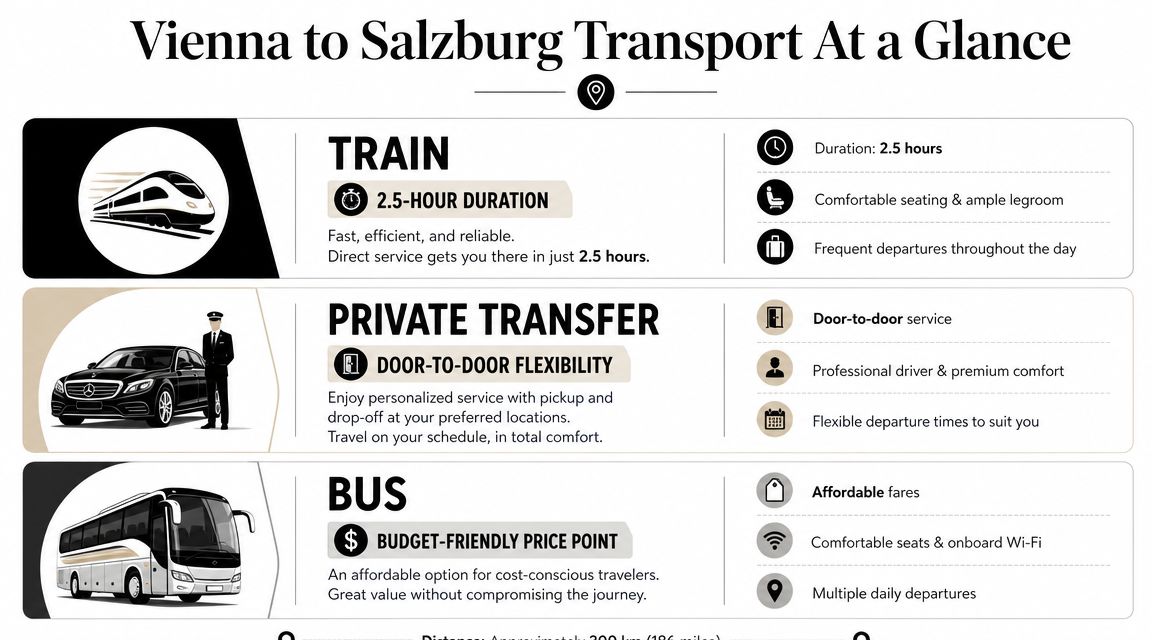
Many travelers choose between train, guided bus tour, and private transfer. Public bus is rarely the smart answer for this route unless your goal is to spend as little as possible and you don't mind giving up comfort and flexibility.
2026 Vienna to Salzburg Travel Options Compared
| Mode | Travel Time (One Way) | Est. Cost (Per Person) | Convenience | Best For |
|---|---|---|---|---|
| Train | Fast, city-center to city-center | Competitive rail pricing | Moderate | Solo travelers, couples, travelers comfortable managing their own day |
| Public bus | Slower and less elegant for this route | Budget-oriented | Low | Very price-sensitive travelers |
| Guided bus tour | Full-day structured outing | Package pricing | High for planning, low for flexibility | First-time visitors who want everything arranged |
| Private transfer | Door-to-door with custom pacing | Premium | Very high | Families, groups, executives, travelers who value comfort and control |
The table matters, but what matters more is the experience logic behind each option.
The train suits independent travelers
Train works best when you're comfortable doing your own navigation, moving on station time, and keeping the day lean. It's efficient and predictable. If you enjoy building your own Salzburg walking route, rail is often the cleanest self-managed option.
For many travelers, that's enough. For others, it isn't.
The guided coach removes planning
A coach tour solves the planning problem. You book once, show up, and follow the day as designed. That can be a relief for travelers who don't want to think about schedules, station platforms, or local logistics.
The compromise is control. You inherit the group's pace, the operator's stops, and the day's weakest traveler.
The private transfer changes the day itself
A private car doesn't just remove hassle. It changes what the route can be. You can leave from your hotel, carry what you want, stop when it makes sense, and return without the station choreography that drains time and attention.
That's also why good advisors often explain the difference between professional travel agency vs booking yourself. On routes like this, the booking method shapes the trip less than the transport design does.
The right mode depends on what you're protecting. Budget, speed, privacy, or the quality of the day.
The Train Journey Speed and Scenery
Rail is the strongest self-service option on this route. If you want independence and don't need custom stops, train is the benchmark every other option has to beat.
What rail gets right
The Vienna-Salzburg corridor is unusually practical. According to this Vienna to Salzburg day trip analysis, ÖBB and Westbahn trains depart every 30 minutes, the route covers 288 kilometers, and the journey takes about 2 hours and 30 minutes. The same source notes that competitive fares start around €30 to €65.
That kind of frequency makes rail forgiving. Miss one departure and another is coming. For travelers who hate committing to a single narrow departure slot, that's a real advantage.
ÖBB usually appeals to travelers who like the national rail experience and integrated booking habits. Westbahn often attracts travelers who want a straightforward seat on the same corridor. In practical terms, both solve the main problem. They get you from central Vienna to central Salzburg without road navigation, parking, or chauffeured logistics.
Where train starts to lose ground
The weakness is simple. A train only moves between stations. It can't absorb the scenic Austria that sits between them.
The same rail analysis points out that the route offers no opportunity for stops at Melk Abbey or the Mondsee lakes, while a 3-hour private drive can include those places naturally. That is the fundamental trade-off. Rail is not a touring tool. It is transit.
If you're traveling with children, heavy luggage, formalwear, mobility concerns, or an elderly parent, station transfers feel much longer than the timetable suggests. A route can be fast on paper and still feel operationally tiring.
The part many travelers underestimate
The train is scenic from the window, but it's still passive scenery. You watch Austria pass. You don't enter it.
That distinction matters on a route like this, especially if Salzburg is one day inside a larger European trip. You may prefer to spend your energy in Salzburg itself, in which case train is sensible. But if the journey is meant to feel curated rather than merely efficient, rail has a ceiling.
A quick look at the onboard experience helps set expectations:
- Best strength: Frequency. You're not trapped by one daily departure.
- Main weakness: No stop flexibility. The route is fixed by design.
- Best traveler fit: Independent visitors who don't mind stations, self-guiding, and carrying their own day.
For a visual feel of the route and rail rhythm, this overview is useful before booking:
Guided Bus Tours The All-Inclusive Option
Guided coach tours sell relief. One booking, one meeting point, one guide, one structure. For many first-time visitors, that sounds ideal.
It can be ideal if your top priority is avoiding all planning. It's less ideal if your priority is having a calm, spacious day.
What the package really buys
According to this Salzburg day-trip operator page, organized 50-seat bus tours typically run on a 13-hour schedule and generate €45 to €65 per person. The same source notes that travelers usually get only 2 to 4 hours of free time in Salzburg.
That's the key fact. The headline product is “a day in Salzburg.” The actual product is a long coach day with Salzburg as one component inside a prebuilt schedule.
The guide adds value, especially for first-time visitors who want historical context without doing their own research. The operator also handles the route, timing, and meeting logistics. If your stress comes from planning, that's a fair exchange.
Why these tours often feel rushed
The business model explains the pace. A large coach works best when the day is tightly controlled. Stops stay short, timing stays fixed, and deviations disappear. That keeps operations clean, but it also means your day is designed for group efficiency, not personal enjoyment.
A traveler who wants ten more minutes in a square, a slower lunch, or an unplanned stop doesn't have much room to move. If even a few passengers run late, everyone else absorbs the delay.
Group tours work well when you want guidance more than freedom.
Who should book one, and who shouldn't
A guided bus tour can be the right answer for:
- First-time Austria visitors who want a simple, low-effort day
- Travelers uneasy with rail stations and independent navigation
- Visitors who enjoy commentary and don't mind group pacing
It's usually the wrong answer for:
- Families with children who need breaks on their own terms
- Couples celebrating something special
- Business travelers who want a polished, controlled schedule
- Anyone sensitive to crowded coaches or rigid timing
There's also a subtle quality issue. Salzburg rewards lingering. A city like this isn't best consumed on a stopwatch. The all-inclusive format solves planning, but it often strips out the very thing discerning travelers came for, which is the sense of place.
If you're comfortable trading freedom for simplicity, coach tours are defensible. If you care about atmosphere, privacy, and pacing, they usually feel too transactional.
Private Transfers The Ultimate in Flexibility and Comfort
Private transfers cost more upfront. That's true, and there's no reason to pretend otherwise. The better question is whether they deliver enough extra value to justify the difference.
For many travelers, especially groups, families, and clients used to chauffeured services in Italy, Switzerland, or France, the answer is yes.
Why private service changes the trip
A private car solves problems before they become stress. Hotel pickup is exact. Luggage stays with you. The departure time works around your day, not the other way around. If you want coffee after leaving Vienna, a scenic pause before Salzburg, or a direct return after dinner, that becomes a routing choice, not a complication.
According to this private Vienna to Salzburg tour overview, group bus tours cost around $150 to $250 per person, while private chauffeur services offer a 12 to 13 hour custom tour at a flat group rate. The same source notes that private travelers can add 2 to 3 hours of scenic stops in the Lake District without the delays of traveling with 40+ strangers.
That's the premium. Not leather seats or status signaling. Control.
The strongest use cases
Private transfers are especially strong for three traveler types.
First, families. Children don't operate on rail or coach logic. They need breaks, flexibility, child seats, and room for the day to bend without collapsing. A private vehicle handles that with ease.
Second, small groups. Once several people are traveling together, the per-person value starts to look different. One shared vehicle often feels far more coherent than splitting tickets, meeting points, and bags.
Third, executives and occasion travelers. If this day sits inside a wider luxury itinerary, a private transfer keeps the standard consistent. That matters more than many people admit.
What works better in practice
Here's what private travel tends to improve immediately:
- Pickup and return: Door-to-door service removes station transfers and fixed departure points.
- Pacing: You set the rhythm. Slow lunch, quick photo stop, longer fortress visit.
- Route quality: The road can become part of the itinerary, not just a line between cities.
- Group comfort: Conversation, privacy, and luggage handling are all simpler in one vehicle.
If you already know you dislike waiting on others, a shared coach won't improve with optimism.
The less obvious advantage
The best private days don't feel like transport. They feel curated.
That's why this model resembles a good Milan to Lake Como transfer more than a standard intercity ride. The route itself has aesthetic value. Austrian lake country, village approaches, and selective heritage stops only work when someone has protected the day from timetable pressure.
For discerning travelers, that's usually the superior experience. Not because every traveler needs luxury, but because Salzburg deserves margin around it. A rushed arrival, compressed visit, and hurried exit flatten one of Austria's most rewarding destinations.
Insider Itineraries and Hidden Stops for 2026
Most guides stop at “take the train” or “book a tour.” That's not enough. The route gets better when the day is shaped to the traveler, not the platform.
The express city day
This is the best self-managed version for rail travelers. Leave early, keep the Salzburg plan compact, and don't overbuild the day. Focus on the Old Town core, one major cultural site, a proper lunch, and one high viewpoint.
This format works best for disciplined travelers who enjoy walking and don't need multiple scenic detours. The mistake is trying to do everything. Salzburg is compact, but a rushed sequence of attractions still feels rushed.
The scenic private route
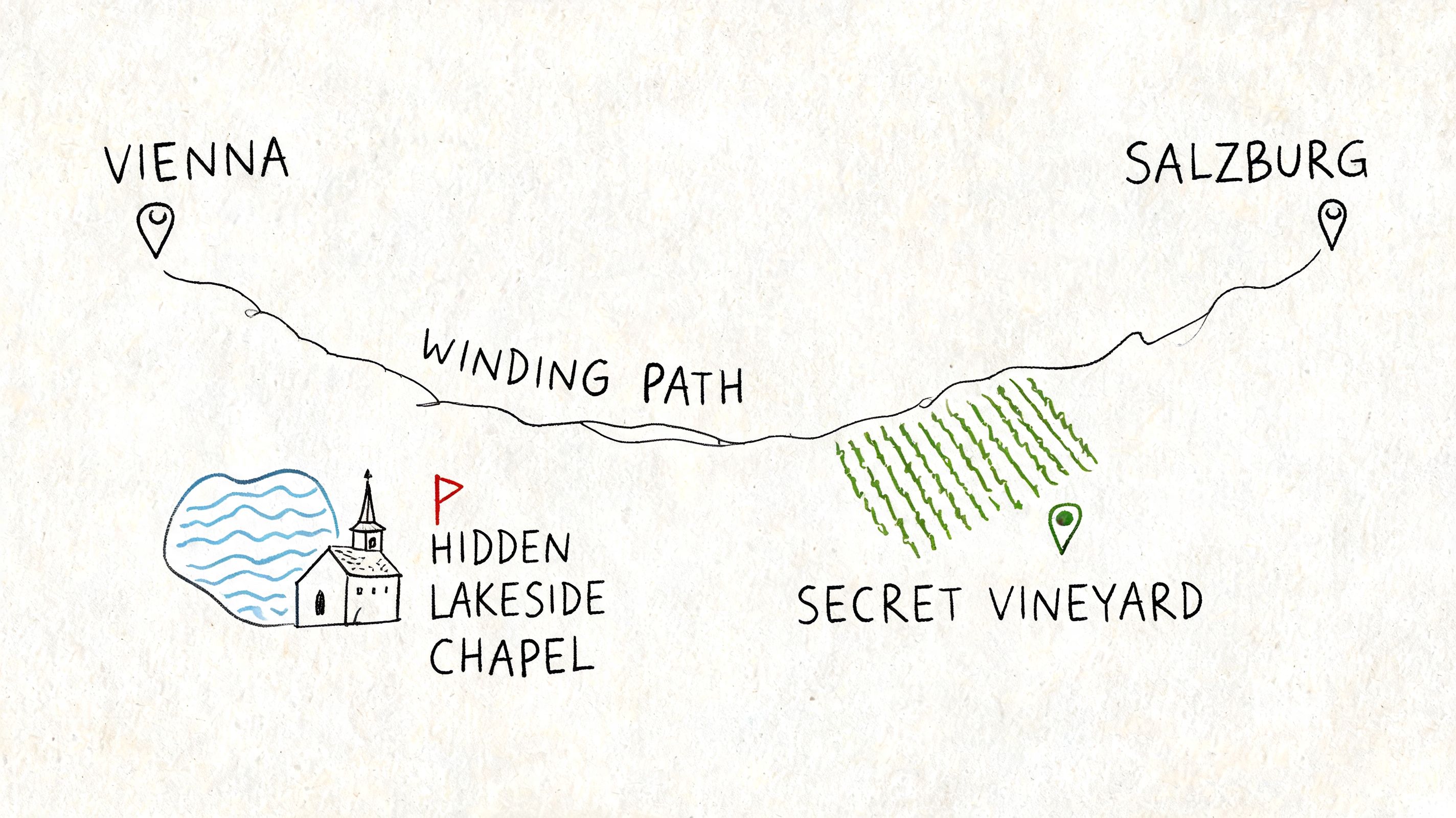
A private tour from Vienna to Salzburg earns its premium by offering more than just transportation. Instead of treating the drive as dead time, turn it into a composed day with selective stops.
A strong version usually includes:
- A heritage pause: Melk Abbey or Dürnstein ruins work well for travelers who want Austria's ecclesiastical and imperial atmosphere before reaching Salzburg.
- A lake district section: Mondsee is the kind of stop that improves the whole day without turning it into a marathon.
- A relaxed arrival in Salzburg: Enter the city after scenery, not after station handling.
For travelers mapping a longer continent trip, I also like the planning mindset behind expert logic for 10 days in Europe. The useful lesson isn't the exact itinerary. It's the discipline of balancing icons with breathing room.
The fortress-first cultural day
If you have a flexible vehicle and want one stop that delivers disproportionate value, choose the fortress properly.
According to this Salzburg heritage overview, Hohensalzburg Fortress is one of Europe's largest fully preserved medieval castles. Construction began in 1077 and continued until 1519, a span of over 440 years. The same source notes that it sits on the 120-meter-high Festungsberg above Salzburg's UNESCO-listed Altstadt, and that visitors can explore the Fortress Museum, Marionette Museum, Golden Chamber, and Golden Hall.
That matters because fortress visits are often mishandled. On rigid schedules, travelers go up, take the view, and leave. With more time, the visit becomes richer and less superficial.
Salzburg's fortress is not just a viewpoint. It's the place that explains why the city developed as it did.
The family version
Families need a different rhythm. Keep the transfer private, avoid overpacking the center, and build the day around comfort. A stop that gives children room to reset often improves the whole outing more than one extra museum does.
For families, I'd favor a plan with an easy scenic stop on the way, a lighter Salzburg core, and time reserved for family-friendly spaces rather than trying to outwork the guidebook. That's how you avoid the classic mistake of turning a beautiful Austrian day into a long compliance exercise.
Frequently Asked Questions
Is one day enough for Salzburg from Vienna
Yes, if you're realistic. One day is enough to understand why Salzburg matters and to enjoy its essential atmosphere. It isn't enough for a deep museum-heavy stay or a slow exploration of every quarter.
Travelers who do best on a day trip choose fewer things and do them properly. Travelers who do worst try to stack too many sights into too little time.
Is train or private car better for a tour from Vienna to Salzburg
It depends on what you value. Train is better for independent travelers who want speed and don't mind managing the day themselves. Private car is better for travelers who want comfort, flexible timing, scenic stops, and no station handling.
For groups, families, and anyone carrying a lot of luggage or traveling after a long-haul flight, private service usually feels better in practice than it looks on a comparison spreadsheet.
Can I include Sound of Music locations on a day trip
Yes, but not all travel modes handle that equally well. With independent rail, you'll need to be selective and organized. With a guided coach, you'll follow whatever version the operator has built. With a private vehicle, it's far easier to combine the city with selected film-related stops without making the day feel fragmented.
What's the best option for families in 2026
The family trend for 2026 is moving toward comfort and sustainability. According to this 2026-focused Salzburg tour page, only 10% of listed tours mention eco-friendly vehicles, while private operators are increasingly using luxury hybrids. The same source says private operators can guarantee child seats and customize family-oriented stops such as the Hellbrunn Palace playgrounds.
That's a meaningful difference. Families rarely need the cheapest option. They need the option least likely to derail the day.
Should I book early
Yes, especially if your travel date falls in a busy season or your group has non-standard needs. Rail travelers benefit from earlier planning because it gives better choice and less pressure. Private travelers benefit because the right vehicle category and pickup design are easier to secure when you aren't booking late.
Are taxis a good alternative
Usually not for this route. A taxi can work in an emergency, but it's rarely the best-designed solution for an intercity day experience. If you want road travel, book a proper private transfer or chauffeur-driven service rather than improvising with a standard city taxi model.
Conclusion Choosing Your Perfect Vienna to Salzburg Tour
ну
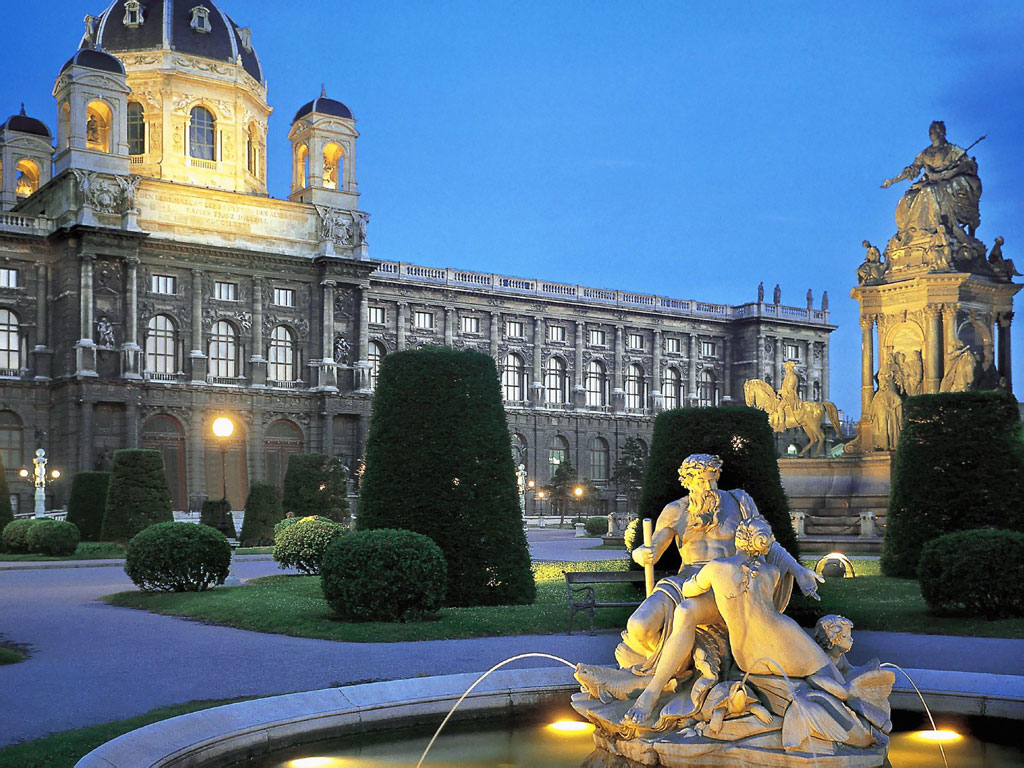
The best tour from Vienna to Salzburg depends on what you want the day to feel like.
Choose train if you want speed, independence, and the cleanest city-center connection. Choose a guided bus tour if you want planning handled and don't mind a fixed group pace. Skip ordinary public bus logic unless budget matters more than comfort and efficiency. Choose a private transfer if you want the strongest overall experience, especially for families, groups, and travelers who care about comfort, privacy, and curated stops along the way.
That last option is the one I'd recommend most often to discerning clients. Salzburg is too beautiful to reduce to station timing and rushed checklists. When the route is handled well, the journey becomes part of Austria rather than time spent getting through it.
If you want that same door-to-door, fixed-price approach for Italy, TransferMilan LLC is a strong option for private transfers, lake trips, airport pickups, business travel, and group transport with professional vehicles ranging from sedans to minibuses and coaches.