0 10 Best Places in Northern Italy for Your 2026 Trip
- Travel Tips
- by Tara Malone
- 11-07-2026

Your 2026 Northern Italy itinerary usually starts the same way. You land in Milan, collect your bags, answer a few messages, and then the easy part ends. Now you have to decide whether you’re heading straight to a lake hotel, cutting across to the coast, or climbing into the mountains. That’s where most trips either become smooth or unnecessarily tiring.
Northern Italy is dense with places worth seeing. The region spans from the Alps to the Adriatic and includes nearly 30 million residents, major cities, lakes, mountain towns, and UNESCO sites. Milan’s airports, especially Malpensa, Linate, and Bergamo, make it the practical gateway for all of it.
The problem isn’t finding the best places in northern italy. It’s getting to them without wasting half your trip on station changes, parking stress, missed regional trains, or overpriced last-minute taxi decisions. That matters even more if you’re traveling with children, heavy luggage, elderly relatives, wedding guests, or a group that won’t fit comfortably in one standard car.
This guide keeps the focus where travelers usually need it most. Logistics first, romance second. You’ll find the destinations that consistently work well in real itineraries, plus the trade-offs between trains, buses, taxis, rental cars, and private transfers. I’m also including a few lesser-discussed angles that matter in 2026, especially for groups and travelers arriving through Milan who want to move efficiently.
Table of Contents
- 1. Lake Como (Lago di Como)
- 2. The Dolomites (Dolomiti)
- 3. Cinque Terre & the Ligurian Riviera
- 4. Verona
- 5. Lake Garda (Lago di Garda)
- 6. Turin (Torino)
- 7. Franciacorta Wine Region
- 8. Genoa (Genova)
- 9. Aosta Valley (Valle d'Aosta)
- 10. Lugano, Switzerland
- Top 10 Northern Italy Destinations Comparison
- Your Seamless Northern Italy Journey Awaits
1. Lake Como (Lago di Como)
Lake Como is the obvious choice for many first-time visitors, and sometimes the obvious choice is correct. It gives you mountain scenery, elegant villas, photogenic ferry routes, and towns that feel different enough from each other to justify more than a day trip. For couples, small corporate groups, and travelers staying in high-end properties, it’s still one of the strongest entries on any list of the best places in northern italy.
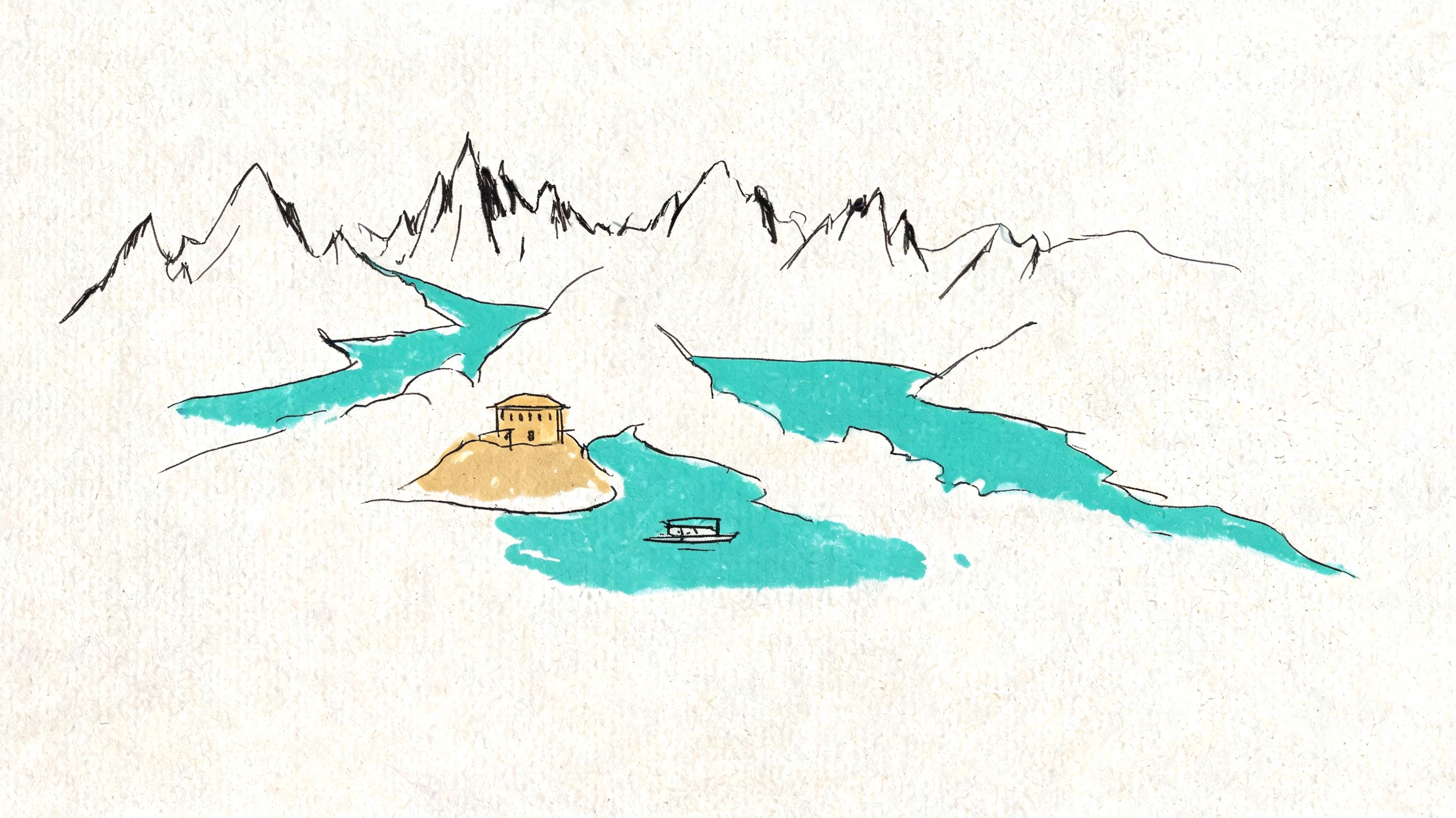
The main trade-off is simple. The lake looks compact on a map, but moving around it can be slow once you add ferry waits, narrow roads, and hotel locations above the waterfront. If you land at Malpensa and want to reach Bellagio, Varenna, or a private villa with luggage, a direct car transfer is usually the cleanest option. Trains can work for Como city, but they become less attractive when you still need a taxi or ferry connection at the end.
Best approach from Milan airports
For solo travelers staying close to a station, rail is fine. For families, bridal parties, and anyone with multiple bags, trains often create one transfer too many. Taxis are useful for short urban legs, but they’re less predictable for longer destination trips and don’t always solve the “final uphill hotel driveway” problem gracefully.
Practical rule: If your accommodation isn’t within easy walking distance of a station or ferry pier, book door-to-door transport from the start.
A common mistake is trying to combine airport arrival, train transfer, and same-day ferry crossing after a long-haul flight. That looks efficient on paper. In reality, it often means carrying bags across platforms and queuing when you’d rather already be by the water.
If Bellagio is on your list, this Bellagio transport guide from Milan is a useful starting point for route planning.
2. The Dolomites (Dolomiti)
You land in Milan, Venice, or Verona, collect your bags, and the mountain part of the trip still isn’t close to finished. The Dolomites reward good planning and punish loose timing. A hotel in Cortina d’Ampezzo, Val Gardena, Alta Badia, or around Ortisei can be straightforward to reach with the right setup, but frustrating if you arrive late, depend on several connections, or underestimate mountain road times.
The practical question is not whether the Dolomites are worth it. They are. The primary question is how to reach the right base with the least wasted time and effort.
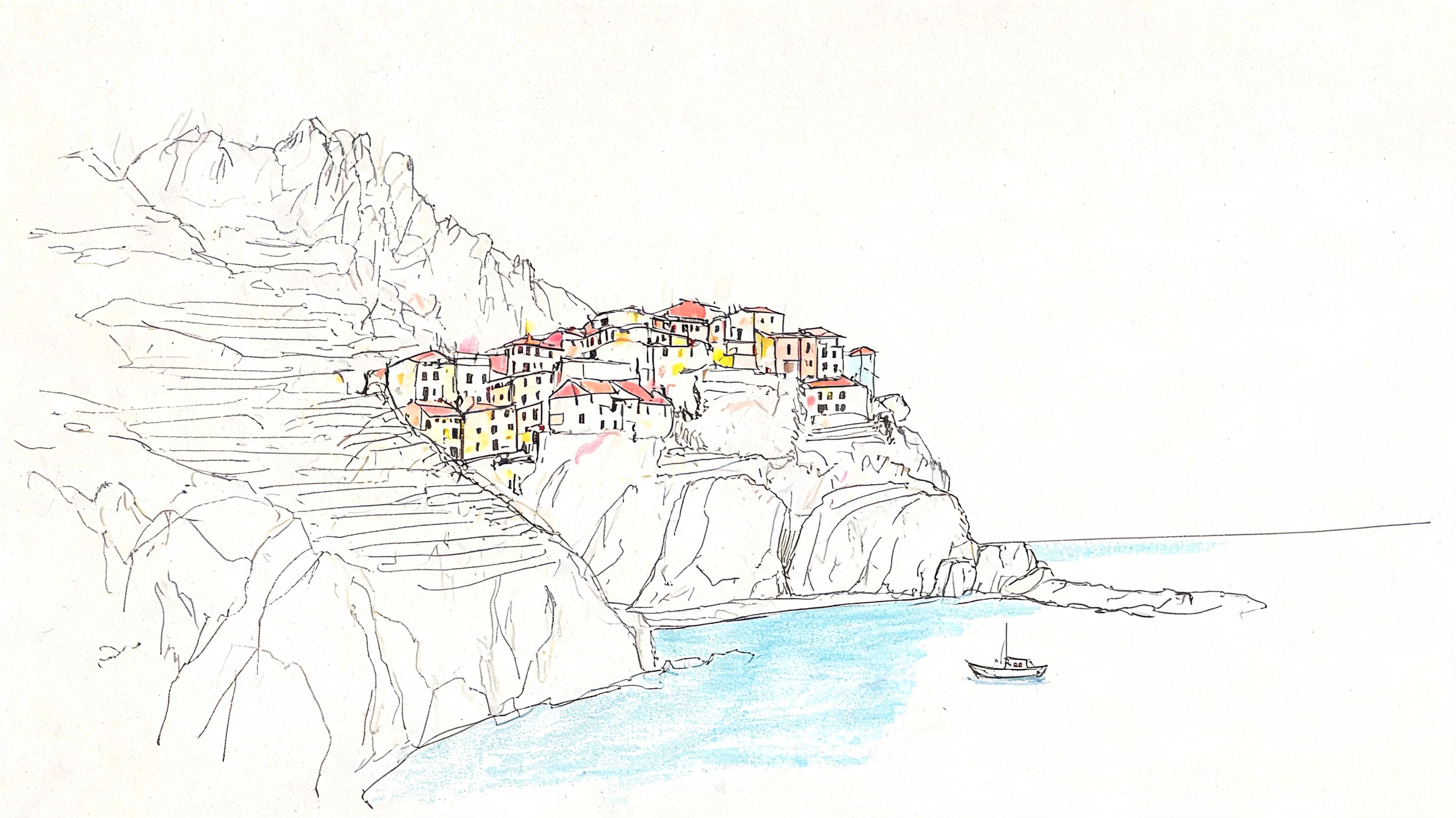
A visual sense of the terrain helps before you commit to transfers and hotel locations.
What works and what does not
Start with your base, then choose your airport. That order saves mistakes. Venice often works well for Cortina and the eastern Dolomites. Verona is a practical option for Val Gardena and Alta Badia. Milan can still make sense, especially for travelers building a wider Northern Italy itinerary, but the road transfer is longer and less forgiving after a flight.
Public transport works best when the itinerary is simple. One rail arrival, one bus connection, one hotel near the stop. Once the plan includes a chalet, a ski hotel outside town, a spa property on a hillside, or children, bulky luggage, and winter gear, the train-plus-bus chain usually stops feeling efficient.
I see the same trade-off every season. Rail is cheaper on paper. Door-to-door transport is often better value once you factor in connection risk, waiting time, and the final uphill stretch from the village center to the hotel.
Rental cars suit travelers who are comfortable with alpine driving, parking rules, and winter road conditions. They also make sense for couples or small groups who want freedom between passes and viewpoints. For visitors arriving jet-lagged, families with car seats, or groups carrying skis and several suitcases, a pre-booked transfer is often the cleaner choice. One vehicle, one driver, one arrival.
For groups, a minivan is usually the best vehicle type. It keeps everyone on the same schedule and handles luggage more realistically than a standard sedan. If the trip includes scenic stops, lunch en route, or several hotels, chauffeur service by the hour can be more practical than trying to rebuild the day around regional bus timetables.
Winter changes everything. Snow, shorter daylight, Saturday turnover traffic at ski properties, and weather-related slowdowns all affect arrival plans. For 2026 trips, especially around ski weeks, Christmas markets, and February school holidays, book transport early and avoid the last-arrival-of-the-day strategy if your hotel is deep in the mountains.
If your wider route also includes the coast, this Liguria route planning guide from Genoa to San Remo is useful for stitching together a larger Northern Italy itinerary without awkward backtracking.
3. Cinque Terre & the Ligurian Riviera
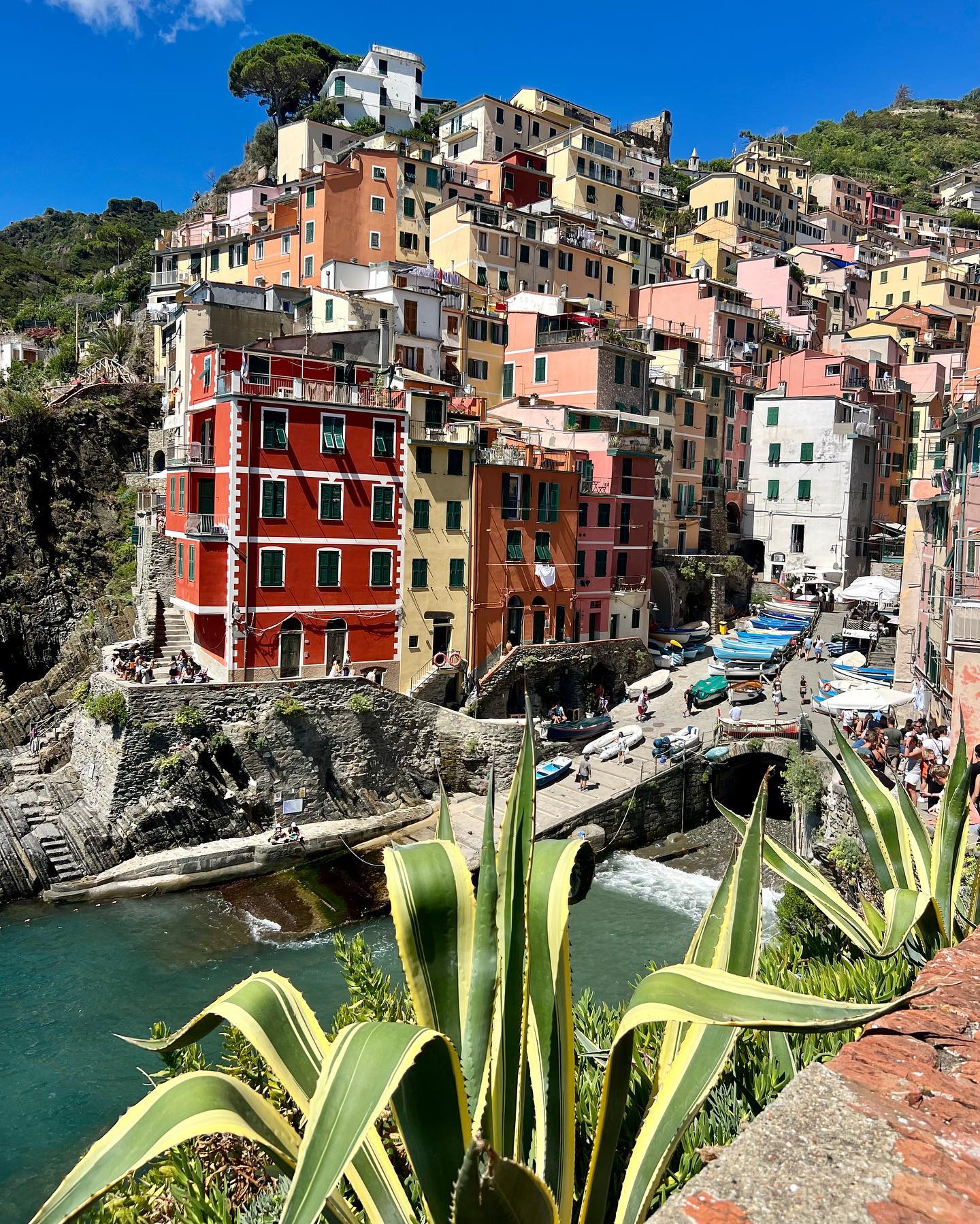
Cinque Terre is beautiful, but it’s not a destination where a private car solves every problem. That’s the first thing travelers should understand. The villages themselves are best approached by rail and on foot because the experience depends on moving along the coast rather than trying to drive into each stop.
That doesn’t mean private transport is unnecessary. It means you should use it for the right segment. Milan airport to your Ligurian base, Genoa to a hotel outside the rail line, or a coastal itinerary that combines Santa Margherita Ligure, Portofino access points, and a return to Milan. Those are the moments where private transfers outperform taxis and spare you awkward station changes.
Best strategy for coast trips
The strongest setup is usually hybrid. Use a direct transfer to reach the coast comfortably, then use local trains or boats for village-to-village movement. Trying to keep a car with you all day inside the Cinque Terre area is rarely the best use of money or patience.
If you’re traveling with a group, choose a base first. Monterosso works differently from staying near Genoa or farther west on the Riviera. Wedding guests, cruise passengers, and multigenerational families often do best by transferring to one coastal hotel and exploring from there rather than changing hotels along the route.
A useful overview for broader Liguria planning is this guide to traveling the Italian Riviera from Genoa to San Remo.
- Best use of private transfer: airport-to-coast and coast-to-city segments.
- Best use of rail: movement between the main Cinque Terre villages.
- Least efficient choice: relying on ad hoc taxis during peak coastal periods.
Portofino is a good example of the trade-off. A chauffeur can get you close smoothly. The final local access still depends on local conditions, timing, and where crowds are concentrated.
4. Verona
You land in Milan in the late morning, have one night free, and want a city that feels rewarding without turning into a transport project. Verona fits that slot better than almost anywhere in Northern Italy. It is compact, easy to read on foot, and large enough to justify an overnight stay if you want dinner, a slow evening walk, or an opera performance rather than a rushed checklist.
The draw is practical as much as cultural. The Arena, the historic center, and the riverfront all sit close enough together that a well-planned arrival saves more time than squeezing in one more stop. Verona also avoids some of the friction travelers run into in larger cities, where station transfers, hotel access, and crowd pressure can eat into half a day.
Why Verona works so well logistically
From central Milan, high-speed rail is usually the cleanest option for independent travelers with light luggage. From Malpensa, Linate, or Bergamo, the decision changes. An airport arrival plus rail connection to Verona often means extra handling, one or two timetable dependencies, and more walking than people expect. For couples, families, and anyone arriving for a fixed dinner, concert, or hotel check-in, a direct transfer is often the easier choice.
Vehicle choice matters here. Two adults with carry-ons can travel comfortably by train or sedan. A family with strollers or checked bags usually does better with a van transfer door to door. Small groups heading onward after Verona, especially toward the lake area, save time by treating the city as one stop in a larger routing rather than as a separate rail problem to solve.
Verona also works well because you do not need a car once you arrive. Get dropped near your hotel or the historic center, then walk. That setup suits opera evenings, corporate guests, and short-stay travelers who want a controlled arrival and a predictable return.
I usually give simple advice here. If the day starts at an airport, buy convenience early. If the day starts in central Milan, rail is often enough.
Verona pairs especially well with lake itineraries. Travelers who plan to continue east or north should map the next leg before choosing how they enter the city. Anyone comparing Verona with a lake stop can get a useful sense of routing and regional pacing from this guide to visiting Riva del Garda and the northern end of Lake Garda.
Taxis are useful inside Verona for short urban hops. They are less efficient for the full Milan-airport-to-Verona journey, where price visibility, luggage space, and pickup timing matter more. For groups, one prebooked vehicle is usually the better trade-off than splitting up across trains and trying to meet again after different arrivals.
5. Lake Garda (Lago di Garda)
You land in Milan, pick up a rental car, and type “Lake Garda hotel” into the map. Two hours later, you are still not really at Lake Garda. That is the first planning mistake people make here. Garda is one destination on paper and several different trips in practice.
The south gives you easier arrivals, broader hotel stock, and simpler family logistics. The north is better for sailing, hiking, wind sports, and sharper mountain scenery, but it takes longer to reach and rewards travelers who are happy to stay put once they arrive. Choosing the right side of the lake matters more here than at Como or Maggiore because crossing Garda can eat half a day if you rely on ferries, summer traffic, and poorly timed hotel changes.

How to choose the right base
Start with your arrival point, not with the prettiest town on social media. If you are coming from Verona, Brescia, or nearby airports and want an easier stay, southern bases such as Sirmione, Peschiera del Garda, or Desenzano usually work best. If your priority is scenery and outdoor activity, Riva del Garda, Torbole, and the northern shore justify the longer transfer.
For 2026 planning, I would keep the transport rule simple. Rail works well to the southern edge of the lake, especially for travelers with light luggage and one hotel base. Public buses and ferries are fine for sightseeing days, but they become inefficient once you add children, sports gear, elderly relatives, or hotel-to-hotel moves. A private transfer is usually the better choice for airport pickups, multi-stop itineraries, and groups who want fixed timing instead of rebuilding the day around ferry schedules.
The vehicle choice also matters. A couple with backpacks can manage trains and local taxis. A family with strollers, checked bags, or car seats will save time with a prebooked van. Small groups combining Verona, Valpolicella, or Franciacorta with Garda usually do best with one driver and one vehicle for the full day, especially if the route includes both a hotel transfer and a stop for lunch or wine tasting.
If you are weighing the northern shore, this guide to visiting Riva del Garda and the northern end of Lake Garda gives a clearer sense of who that area suits.
A practical rule helps here.
- For families and short stays: base yourself on the south or southeast shore.
- For hiking, sailing, and mountain views: stay in the north and reduce day-to-day movement.
- For mixed-age groups: avoid changing hotels around the lake unless there is a clear reason.
- For car-free travelers: choose a town with strong rail access first, then plan lake outings from there.
Sirmione is famous for good reason, but it is not always the best place to sleep. Access can be slow in peak periods, parking is limited, and day-trip crowds change the feel by late morning. In many itineraries, the smarter trade-off is to stay somewhere with easier road or rail access and visit Sirmione as a half-day stop.
6. Turin (Torino)
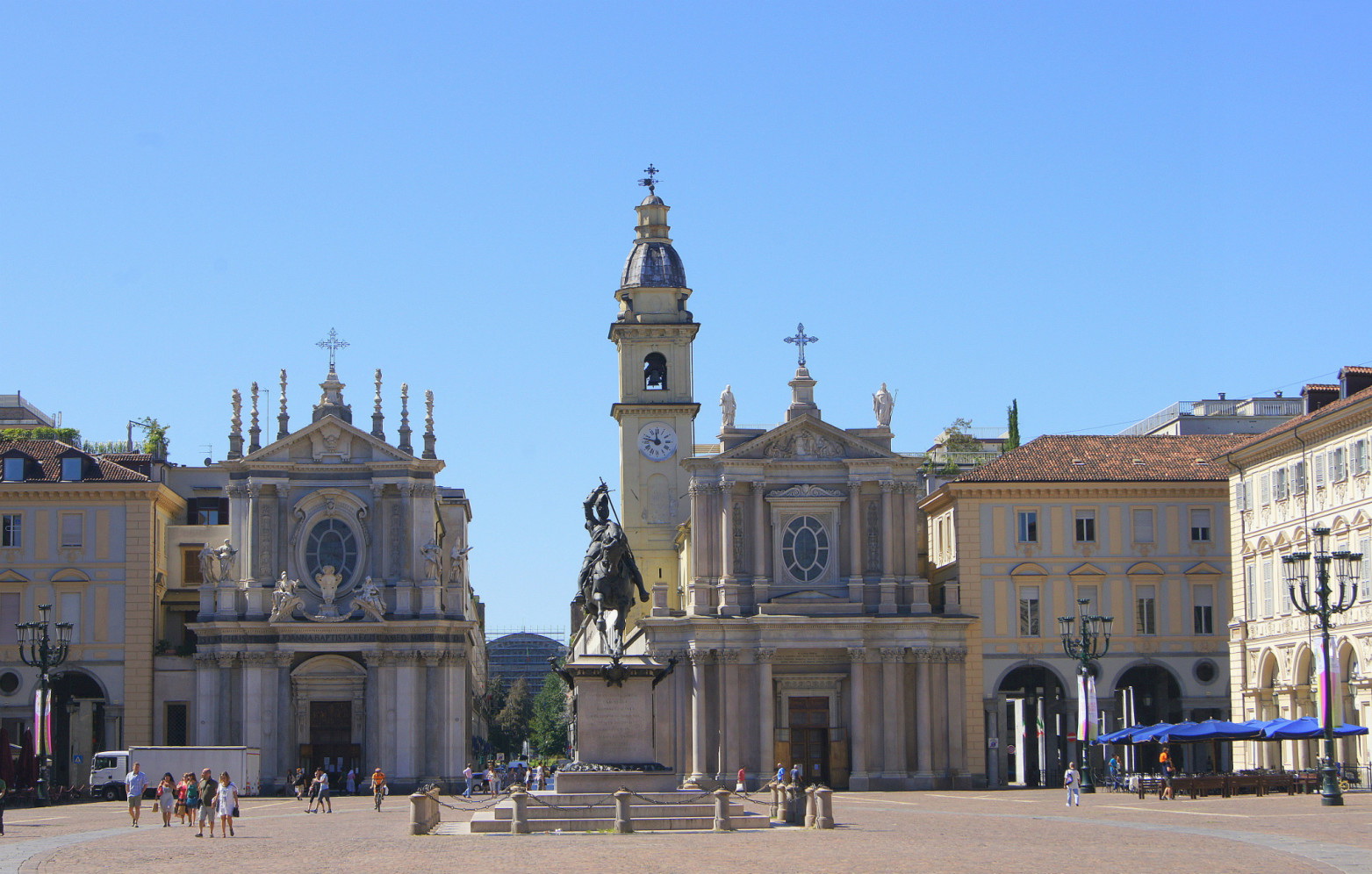
You land at Malpensa in the late morning, collect bags, and want one city that can still give you a proper museum stop, a serious aperitivo, and a good dinner without burning half the day in transfers. Turin fits that brief better than many travelers expect.
It is one of the best urban stops in Northern Italy for travelers who want culture, food, and cleaner logistics than the heavier tourist circuit. The city has wide boulevards, formal piazzas, strong museum collections, and a more restrained rhythm than Milan, Venice, or Florence. Turin was Italy’s first capital after Unification in 1861, and that legacy still shows in the city’s architecture and planning.
A strong choice for travelers who care about timing
Turin works best as a one to three night city break, or as a structured stop between Milan, the Alps, and Piedmont wine country. The rail links are reliable for independent travelers arriving light. The trade-off is the usual one. Trains are efficient station to station, but they become less convenient if your trip starts at an airport, ends at a hotel outside the center, or includes luggage, product samples, shopping, or children.
For that reason, private transfer often makes more sense here than visitors assume. A couple traveling with small bags can comfortably use rail. A family with strollers or car seats, or a small business group arriving on different flights, usually saves time with a direct pickup and one vehicle assigned from arrival to hotel.
Turin also rewards early starts. Porta Palazzo Market is one of the city’s best food stops, and The Lazy Italian’s guide to outdoor food markets in Italy gives useful context on why it matters. Go early if you want the market at its best. By late morning, the pace changes and the visit becomes more about crowd management than browsing.
One practical mistake I see often is treating Turin as a simple day trip from elsewhere. It can be done, but the city is better with one overnight stay. That gives you time to split the experience properly: museums and cafés in the afternoon, aperitivo in the evening, then market or palace visits the next morning before moving on.
A small corporate or family group can use Turin very efficiently. Arrive from Malpensa, check into a central hotel, spend the afternoon in the historic center, and depart the next day toward Langhe or the Aosta Valley without repacking the whole trip around train changes and local taxi availability. That kind of routing is where prebooked transport earns its cost.
7. Franciacorta Wine Region
Franciacorta is one of the smartest additions to a Northern Italy trip if you want wine country without committing to a long, rural self-drive holiday. It sits well in an itinerary between Milan and the eastern lakes, and it suits travelers who want polished tastings, a relaxed environment, and a proper food stop that doesn’t feel tour-bus generic.
This region is not the easiest place to enjoy spontaneously without a car plan. Wineries are spread out, appointments matter, and you don’t want the day to depend on one person staying completely out of the tasting experience to drive. That’s why Franciacorta works best with a chauffeur setup, especially for couples, executive groups, and wedding parties.
Best setup for tastings and small groups
For two travelers, a business-class sedan is usually enough. For a family or a group of friends, a minivan is the better call because it keeps the day flexible and avoids splitting reservations or managing multiple local cabs between estates. A per-hour booking often works better here than strict point-to-point routing because tasting days rarely run exactly to the minute.
What doesn’t work well is trying to combine a late Milan arrival, same-day winery visits, and evening hotel check-in across the region. The better strategy is to separate airport transfer from tasting day, sleep nearby, and start fresh.
- Best for couples: private sedan with fixed start and return.
- Best for groups: minivan with room for purchases and comfortable spacing.
- Least practical: train into the area, then hoping local taxis align with winery timing.
If your group also wants a lake stop, Franciacorta pairs neatly with Lake Iseo or the southern part of Lake Garda. It’s one of the easiest ways to add a refined rural day without turning the trip into a driving exercise.
8. Genoa (Genova)
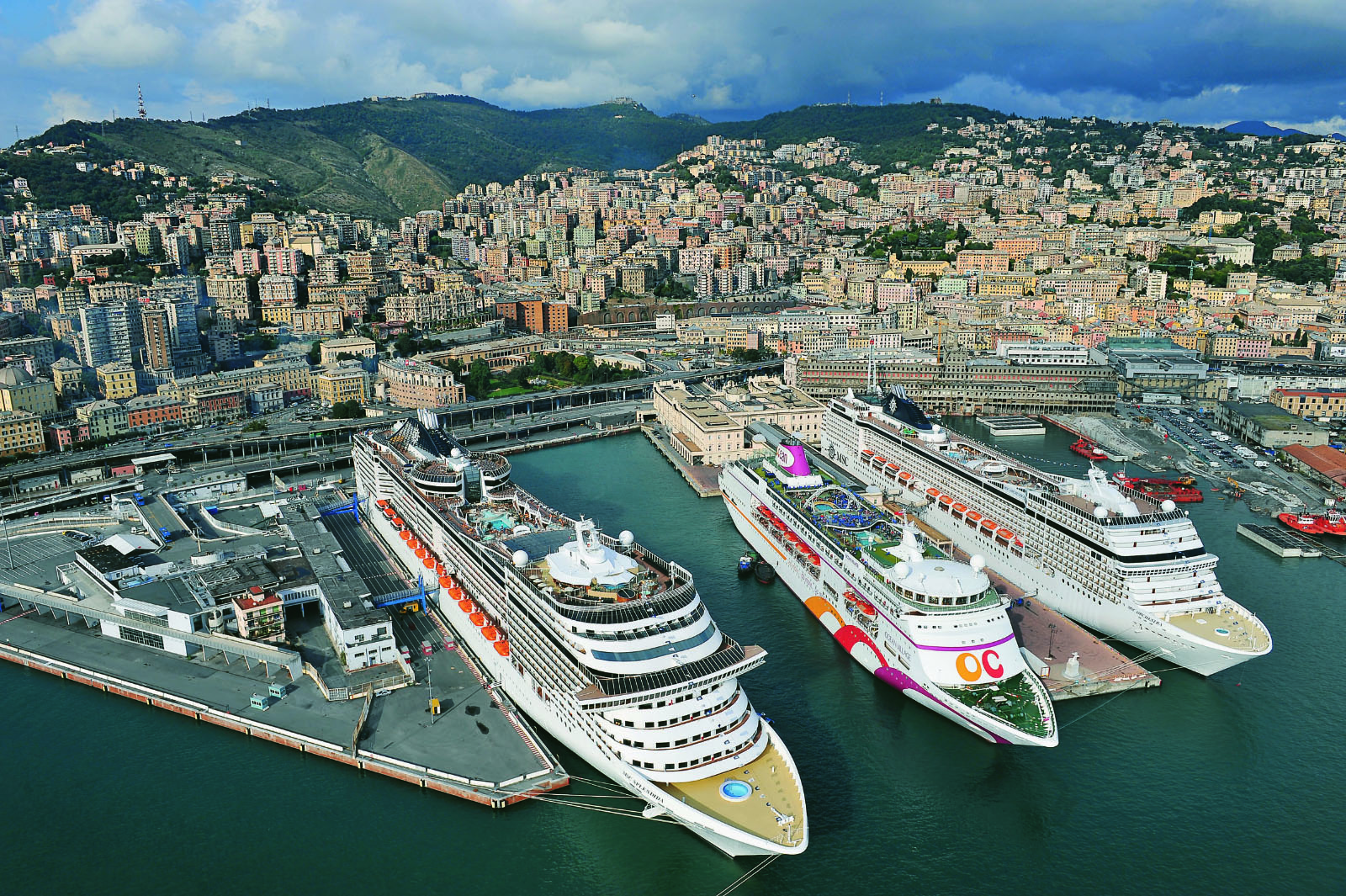
Genoa doesn’t try to charm you in the polished way that lake towns do. That’s part of why it’s worth seeing. It’s maritime, layered, gritty in places, and full of architectural weight once you step into the old center and the historic palaces. Travelers who like cities with texture tend to remember it more vividly than places that are prettier but flatter.
Logistically, Genoa is a strong base if you want a real city stay with access to Liguria’s coast. It also works well for travelers who want to combine business in Milan with a leisure extension by the sea. The challenge is that old port cities reward local knowledge. Where you arrive, where your hotel sits, and which part of the center you need all matter.
Where private transport helps most
A train from Milan to Genoa is often a sensible choice for simple city travel. A private transfer becomes more attractive when your hotel is outside the easiest station zone, your group is carrying luggage for a cruise or event, or you want to continue onward without pausing in the station environment.
Genoa is also a good example of why taxis aren’t always the middle ground people imagine. A taxi can handle a short local move. It’s not the same as having preplanned routing for airport pickup, coast continuation, or a day with multiple stops.
One workable scenario is a group arriving at Malpensa, transferring directly to Genoa, sleeping in the city, then using a private vehicle the next day for Santa Margherita Ligure or Portofino access before returning. That keeps the urban and coastal parts of the trip distinct instead of forcing one transport method to do everything.
Genoa works best when you treat it as a destination, not just a gateway.
9. Aosta Valley (Valle d'Aosta)
Aosta Valley is one of the strongest choices for travelers who want mountain scenery without committing to the wider sprawl of the Dolomites. It feels more concentrated, more borderland, and often more practical for westbound itineraries coming from Milan or continuing toward France and Switzerland.
Luxury winter travel, summer hiking, and scenic village stays come together well in this region. It also attracts travelers who want mountain access with a strong hotel component rather than a purely outdoor trip. Courmayeur is the obvious name, but smaller bases can work beautifully if your transport is sorted in advance.
When a car service beats rail
Rail can get you part of the way, but it often won’t complete the trip cleanly if your final destination is a resort property, chalet, spa hotel, or village outside the easiest line. Buses exist. They don’t always align comfortably with flight arrivals, weather shifts, or a family carrying bulky luggage.
A private transfer is especially useful here for winter arrivals and for travelers who don’t want to drive mountain roads after landing. For groups, one van or minibus also removes the common problem of staggered arrivals and missed hotel dinner windows.
- Best for ski travelers: airport-to-resort transfer with room for equipment.
- Best for families: direct hotel delivery, especially after evening arrivals.
- What often disappoints: relying on fragmented train and bus connections for a premium mountain stay.
This is also a region where fixed planning reduces fatigue. Mountain travel is rarely the place to “see how it goes” after a delayed flight.
10. Lugano, Switzerland
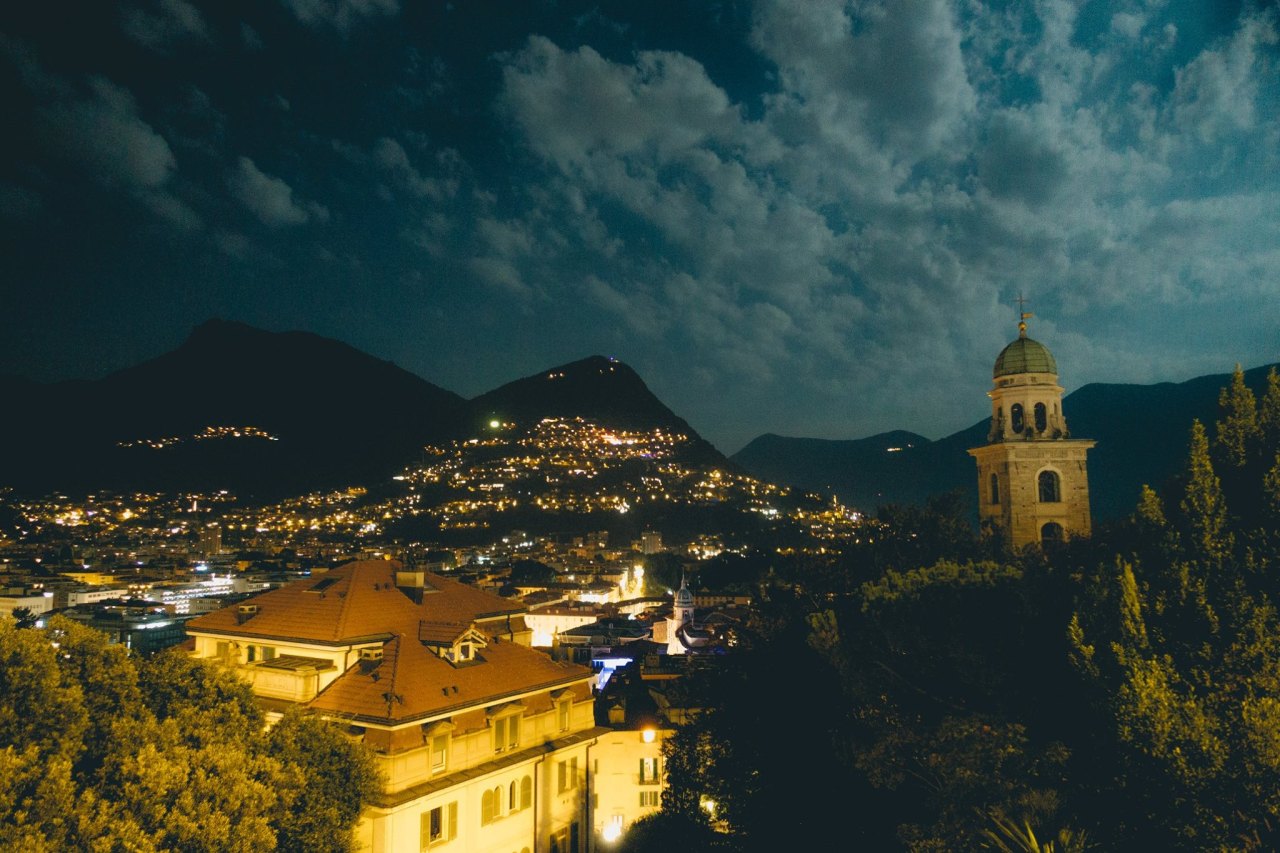
Lugano works for travelers who want lake scenery with a different tone. It feels cleaner, more ordered, and more international, while still keeping an Italian cultural rhythm. For many visitors based in Milan, it’s one of the simplest cross-border additions that still feels like a meaningful change of atmosphere.
It’s also useful for business travelers. You can pair meetings in Milan with a calmer overnight stay, upscale shopping, or a lakefront reset without overcomplicating the route. That’s why Lugano appears often in premium itineraries, especially for travelers from the US, UK, and the Middle East who want a comfortable extension rather than a hectic one.
Border practicalities that matter
Cross-border trips need a bit more discipline. You need the right documents, a driver or service prepared for the route, and clarity about pickup and drop-off points on both sides. None of this is difficult, but it isn’t something to leave vague on the morning of travel.
Train travel to Lugano can be very good for straightforward city-center itineraries. A private transfer becomes better when you’re traveling with shopping, family members, or a schedule that includes airport pickup, a Swiss hotel, and later return to Italy. It’s also the better choice if your actual destination is outside the main station area.
An easy mistake is treating Lugano like a casual spontaneous detour. It’s better handled as a planned day trip or overnight stay with border details confirmed in advance. Done properly, it feels effortless. Done casually, it can become one of those “it sounded easy” travel days.
Top 10 Northern Italy Destinations Comparison
| Destination | Planning & Complexity ???? | Resources & Logistics ⚡ | Ideal Use Cases ???? | Expected Outcome ⭐???? |
|---|---|---|---|---|
| Lake Como (Lago di Como) | Moderate, book transfers & villa tours 2–3 weeks ahead in peak season; best Apr–Jun, Sep–Oct | Luxury sedan / minivan / coach; ~1–1.5 h from Milan; private transfer recommended for villas | Romance, luxury retreats, villa visits | High scenic & luxury appeal ⭐⭐⭐⭐, relaxed lakeside experiences ???? |
| The Dolomites (Dolomiti) | High, mountain roads & 2026 Olympics demand early booking (up to 1 year); seasonal variations | 4WD minivan / sedan / coaches; ~3.5–4 h; private transfer advised for winter safety | Hiking, skiing, high‑altitude adventure, Olympic events | Outstanding alpine scenery ⭐⭐⭐⭐⭐, strong outdoor impact ???? |
| Cinque Terre & Ligurian Riviera | Moderate, villages are car‑free; coordinate dropoff + local train/ferry; best May/Sept | Sedan / minivan; ~3 h; drop at Monterosso/La Spezia then train/ferry | Coastal hiking, photography, seafood & Portofino day trips | Very picturesque coastal charm ⭐⭐⭐⭐, moderate crowding impact ???? |
| Verona | Low–Moderate, opera season needs months‑ahead tickets; best Apr–Jun, Sep–Oct | Business sedan / minivan; ~2 h; private transfer useful for late returns | Culture, opera, romantic city breaks, wine region day trips | Rich historic & cultural experience ⭐⭐⭐⭐, compact walkable city ???? |
| Lake Garda (Lago di Garda) | Low–Moderate, heavy summer traffic; book park/park attractions in advance | Minivan / coach; ~1.5–2 h; driver familiar with back roads saves time | Families, watersports, theme parks, wine & active holidays | Versatile family‑friendly destination ⭐⭐⭐, high activity options ???? |
| Turin (Torino) | Low, ZTLs require knowledgeable driver; museums advisable to pre‑book | Business sedan / minivan; ~1.5–2 h; private transfer recommended for ZTL access | Culture, museums, culinary festivals, corporate visits | Elegant urban & cultural offerings ⭐⭐⭐⭐, strong museum/food impact ???? |
| Franciacorta Wine Region | Moderate, wineries require appointments; harvest period busy (Sep) | Minivan / minibus / luxury sedan; ~1 h; driver essential for tastings | Group wine tours, premium sparkling wine tastings | High‑quality oenological experience ⭐⭐⭐⭐, educational & indulgent ???? |
| Genoa (Genova) | Moderate, dense historic center and parking challenges; best in spring/autumn | Sedan / minivan; ~1.5–2 h; driver drops at pedestrian zone edges | History, food tours, port & palace visits | Authentic maritime culture ⭐⭐⭐, intensive urban exploration ???? |
| Aosta Valley (Valle d'Aosta) | Moderate–High, mountain weather & Skyway bookings; winter road hazards | 4WD minivan / SUV / coaches; ~2–2.5 h; private transfer recommended for mountain roads | Skiing, mountaineering, alpine sightseeing, national park visits | Majestic alpine experience ⭐⭐⭐⭐, strong outdoor/adventure impact ???? |
| Lugano, Switzerland | Low–Moderate, border formalities and currency considerations; best May–Sep | Luxury sedan / minivan; ~1–1.5 h; English‑speaking driver helpful for border | Cross‑border shopping, lakeside leisure, panoramic viewpoints | Sophisticated Swiss‑Italian blend ⭐⭐⭐⭐, upscale leisure & views ???? |
Your Seamless Northern Italy Journey Awaits
You land at Malpensa after an overnight flight, collect two large bags, and still need to reach a lakeside hotel, mountain resort, or vineyard stay before check-in closes. That is usually where a Northern Italy trip either runs cleanly or starts burning time and patience.
Northern Italy rewards travelers who plan their transfers as carefully as their hotel list. Distances on the map look modest, but lake roads are slower than expected, mountain routes punish late starts, and rail connections that work on paper can become awkward once luggage, children, ski gear, or fixed reservation times are involved. Choosing the best places in northern italy is only half the job. The other half is deciding how you will move between them.
For 2026 itineraries, the practical split is simple. Use trains for straightforward city pairs when you are staying near the station and traveling light. Use private road transport for airport arrivals, villa stays, wedding schedules, winery appointments, early departures, cross-border runs, and any itinerary with more than one stop. Public transport in Northern Italy is good. It is not built around door-to-door timing, family gear, or a group trying to arrive together.
Vehicle choice matters more than many travelers expect. A sedan works for two people with compact luggage heading into Milan, Verona, or Turin. A family going to Lake Garda or Como usually needs a minivan, especially with child seats and holiday bags. The Dolomites and Aosta Valley often justify an SUV or 4WD in colder months. Event groups, trade fair attendees, and wedding parties need a minibus or coach from the start, not after they discover local taxis cannot absorb ten people at once.
Private transfers solve practical problems that trains and local taxis do not solve well. Airport pickup. Direct hotel access. Better control over timing. One booking instead of three. Less risk when a delayed flight, missed platform change, or weather shift can throw off the rest of the day.
A service like TransferMilan LLC is useful for exactly that reason. The value is not only comfort. It is matching the route to the right vehicle, confirming a fixed price before travel, and avoiding the stop-and-start planning that often turns a simple transfer into a half-day task. For travelers arriving in Milan and continuing to the lakes, the Alps, the coast, or southern Switzerland, that can make the itinerary much easier to run.
Good travel days are usually quiet. The driver is on time, the luggage fits, the route makes sense, and nobody has to improvise at the curb outside a station.
If you are building a 2026 trip, pair each destination with its transport plan at the same time you book it. You will waste less energy in transit and protect more time for the places you came to see. If you are also refining the long-haul side of your trip, Passport Premiere's business class tips are worth a look before you fly.
For reliable airport pickups, day trips, group transportation, wedding transfers, and fixed-price chauffeur service across Northern Italy, TransferMilan LLC is a practical local partner. If you already know your arrival airport, hotel, or destination list, send the route and passenger details and get the right vehicle arranged before you land.